
EMDR THERAPY
One of the therapies that Felicity provides is Eye Movement Desensitisation & Reprocessing (EMDR) Therapy, so what is it?
EMDR (Eye Movement Desensitisation and Reprocessing) is an evidence-based psychotherapy that helps people heal from the emotional distress and symptoms associated with disturbing or overwhelming life experiences.
EMDR is widely used by Medicare-registered mental health practitioners and is often experienced as an alternative to traditional talk-only therapy. While it still involves talking with your therapist, EMDR does not require detailed or repeated retelling of distressing events. Many people find that it allows them to process difficult experiences in a more contained way and may lead to meaningful change in fewer sessions.
You do not need to have a diagnosed mental illness or a history of “big” trauma to benefit from EMDR. It can be helpful for both single distressing events and ongoing patterns shaped by earlier life experiences.
EMDR was initially developed to treat Post-Traumatic Stress Disorder (PTSD) in veteran populations. It is now recognised as an effective, evidence-based treatment for a wide range of psychological concerns.
What Can EMDR Therapy Help With?
EMDR Therapy has been shown to be effective in treating:
Post-Traumatic Stress Disorder (PTSD)
Trauma and adverse life experiences
Low self-esteem, shame and self-criticism
Depression
Anxiety
Phobias
Grief and complex grief
While grief is a normal human process, EMDR can support movement through grief when it feels stuck or overwhelming
Stress
Nightmares and intrusive thoughts
How Does EMDR Therapy Work?
Our brains are naturally designed to move toward healing. In much the same way that a physical wound will heal if conditions allow, the brain is usually able to process and integrate difficult experiences over time. Much of this natural processing occurs during the REM (rapid eye movement) stage of sleep.
Sometimes, however, this process becomes blocked. This may happen if an experience was particularly distressing, occurred at a vulnerable time in life, or required coping strategies that were helpful at the time but are no longer serving us. When this happens, memories can remain “stuck” and continue to trigger emotional distress, physical sensations, or unhelpful beliefs in the present.
EMDR Therapy helps to restart and support the brain’s natural processing system. By using bilateral stimulation (such as eye movements, sounds, or tapping), EMDR supports the brain to reprocess and store memories in a healthier, more adaptive way. Over time, the emotional charge associated with these memories typically reduces, allowing people to feel more present, grounded, and free in their day-to-day lives.
What Does An EMDR Processing Session Look Like?
Before any EMDR processing begins, your therapist will spend time getting to know you, understanding your experiences, and ensuring you have the skills and supports needed to feel safe and resourced. EMDR is always done at a pace that feels manageable for you.
Once you and your therapist agree that you are ready to begin processing, a typical EMDR session may look like this:
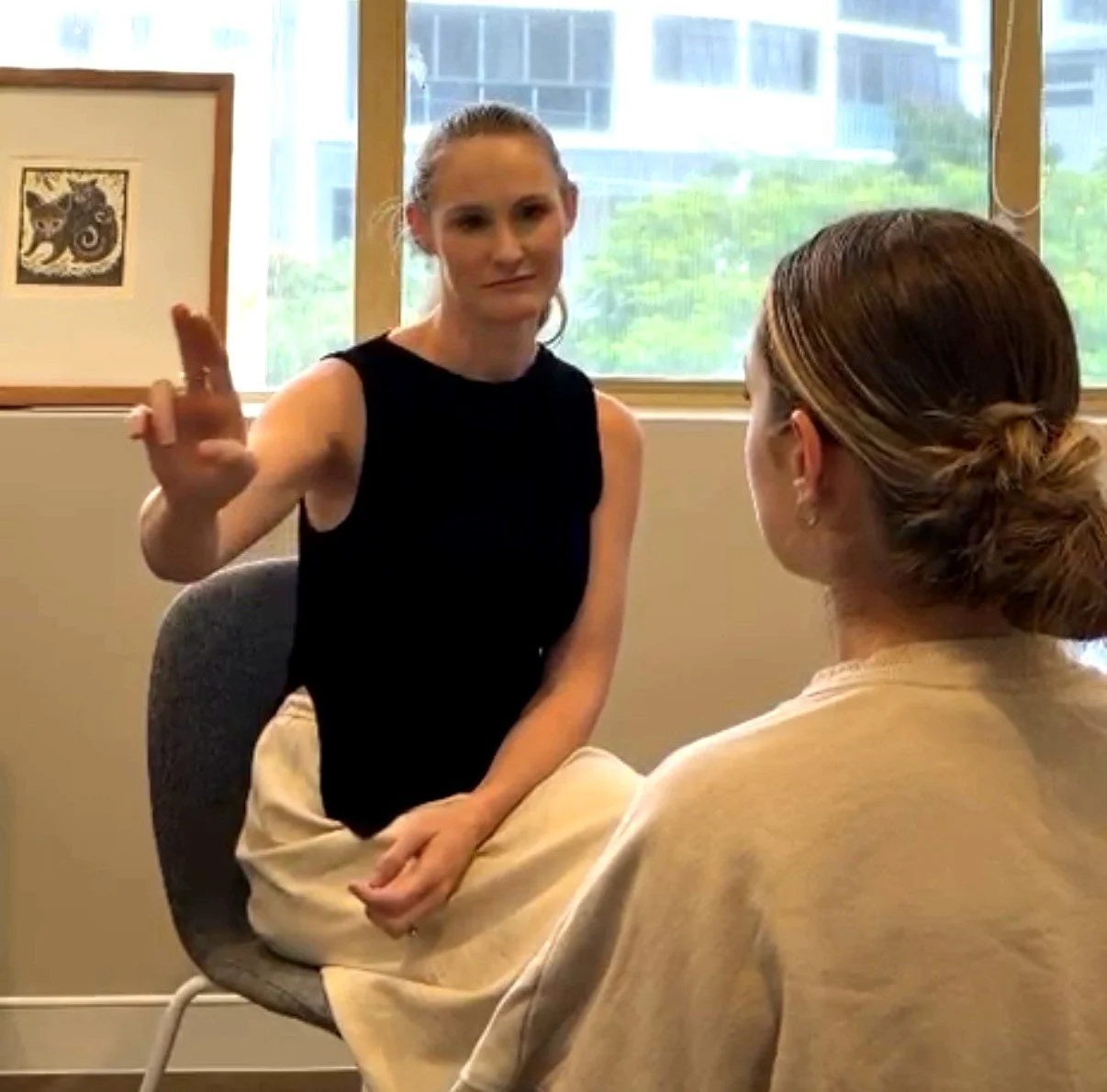
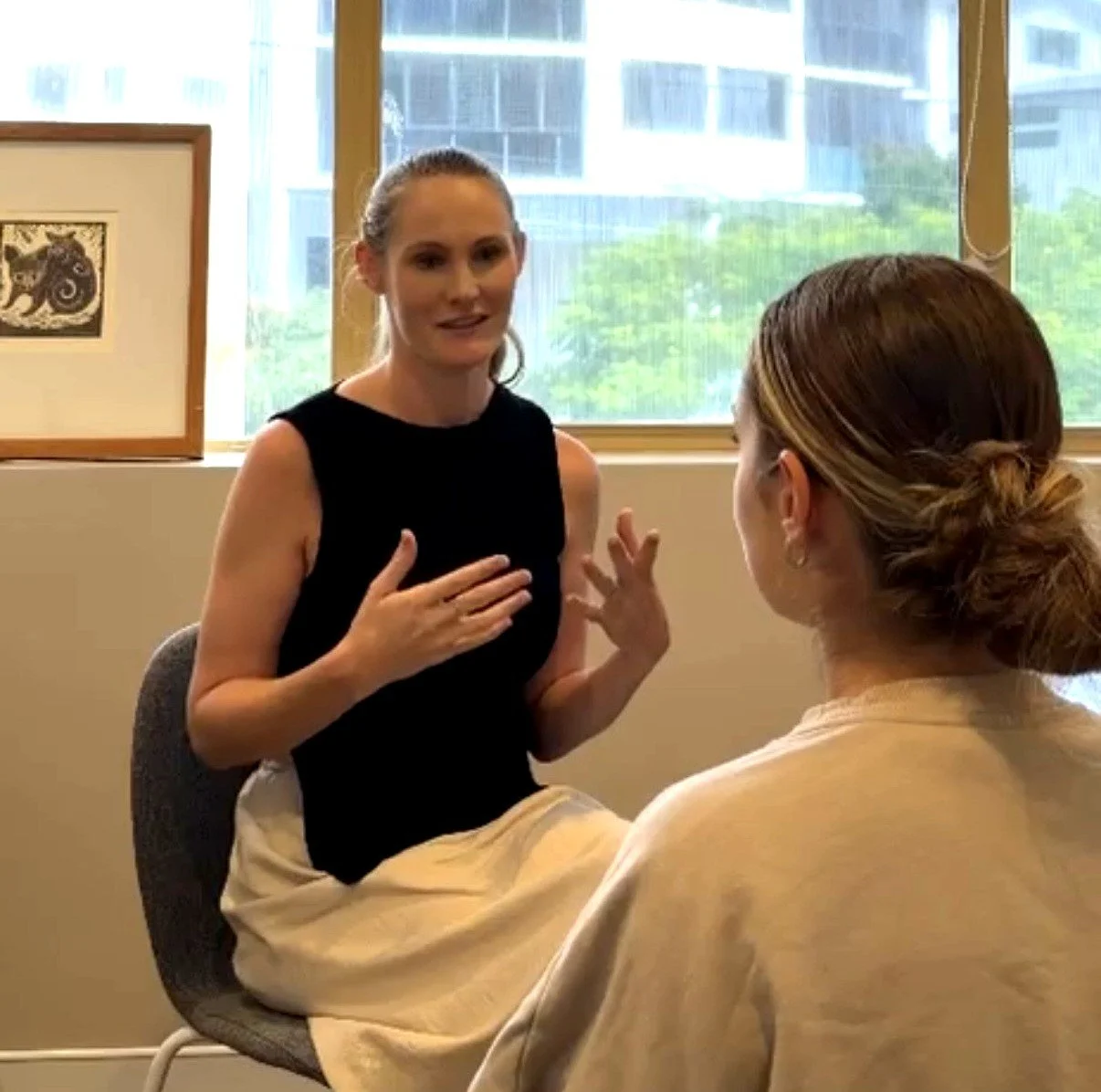
After a brief check-in, your therapist will invite you to bring to mind a specific memory or experience that you have chosen together to work on. You will then follow the therapist’s fingers as they move back and forth, which helps keep you oriented to the present moment and simulates what occurs in the brain during REM sleep. Once your therapist has a good understanding of what is going on for you and you are feeling ready to do some EMDR processing, your session may look like this:
The eye movements last for short periods and then pause. Your therapist will ask what you are noticing before beginning another set. For some people, eye movements are not suitable. In this case, bilateral stimulation can also be provided through alternating sounds using headphones or gentle tapping using handheld devices.
With repeated sets, the memory usually becomes less painful and less emotionally distressing. Some people notice the image becoming “fuzzy”, further away, or more neutral. Others describe it as feeling like “just something that happened” rather than something that is still happening to them. As memories are reprocessed, related patterns and beliefs can also shift, often leading to broader improvements in how you feel and function in the present.
Throughout the entire process, you remain fully aware, in control, and able to stop at any time.
EMDR Frequently Asked Questions
Still have questions? Take a look at the FAQ or reach out anytime. Alternatively, if you would like to book in, follow the link below:
-
No. At no point will you be hypnotised or placed into a trance. One of the key principles of EMDR is dual attention. This means bringing up aspects of past experiences while remaining grounded in the present moment.
You are fully aware and in control throughout the session and can choose to pause or stop the process at any time.
-
Yes. You can stop EMDR processing at any stage. Your therapist will regularly check in with you about how you are coping, but even if you feel okay initially and later change your mind, you always have the option to stop.
It can be helpful to remember that EMDR is not creating anything new — it is a structured way of supporting and speeding up a process your brain already does naturally.
-
Many people do not have clear or specific memories, and EMDR can still be effective. Some people also have aphantasia, which means they are unable to generate mental images. This is not a problem and is simply a variation in how the brain functions.
Visual imagery is only one component of memory. If imagery is not accessible for you, EMDR can focus on other aspects of memory such as emotions, body sensations, thoughts, or beliefs.
-
Technically, there are no formal restrictions on who can offer EMDR. However, it is strongly recommended that EMDR is provided by a clinician with appropriate mental health qualifications and formal EMDR training.
Felicity completed her EMDR training through the EMDR Institute, which is accredited by EMDRIA (founded by Francine Shapiro). She also undertakes ongoing professional development to deepen her EMDR skills, remain up to date with best practice, and integrate EMDR with other therapeutic approaches.
-
Sometimes memories carry a level of distress that feels overwhelming. When this happens, there are several ways your therapist can support you.
This may include using specific EMDR approaches designed to reduce distress before working more directly with a memory, or focusing first on building coping skills, emotional regulation, and a sense of safety. Processing work can always be paused or stopped, and your therapist will help guide you to reduce distress if needed.
There will never be a point where you are forced to face a memory or experience that you do not want to or do not feel prepared to.
-
Yes. EMDR is an evidence-based psychotherapy with a substantial and growing body of peer-reviewed research supporting its effectiveness, particularly for trauma and PTSD.
EMDR is considered safe when delivered by a trained clinician. While strong emotions can sometimes arise during processing, these experiences are usually brief. Your therapist will ensure that you have the skills and supports needed to manage emotional responses safely before beginning any processing work.
-
In short, no. EMDR does not remove memories or change a painful experience into a positive one. The memory will still exist.
However, after EMDR processing, the emotional distress and physical sensations linked to the memory are usually significantly reduced or no longer present. The memory will always be there stored in your brain. However, after working through the memory there will not be emotional distress or uncomfortable physical sensations attached to the memory. Often people report that the image becomes less vivid or further away, that sounds or smells associated with the memory disappear or that some of the details become hazy.
-
EMDR Therapy can be used to support a wide range of concerns, including:
Anxiety and panic attacks
PTSD and complex PTSD
Depression
Stress and burnout
Phobias
Sleep difficulties
Complicated grief
Addictions
Chronic pain and phantom limb pain
Low self-esteem
Obsessive Compulsive Disorder (OCD)
Research into additional applications of EMDR continues to expand.
-
Yes. One of the benefits of EMDR is that you do not need to share detailed descriptions of what you are working on. Some people choose to talk more about their experiences, while others prefer not to.
Your therapist uses your responses to guide the process and ensure that reprocessing is occurring effectively, but this does not require extensive detail. If you would like, your therapist can explain what this might look like for your individual situation.
-
The EMDR Institute Inc provides a useful definition and explanation of EMDR, research background and information about the 8 phases of treatment here.
Video clips that may be useful in getting a basic understanding of EMDR are:
Introduction to EMDR Therapy by EMDRIA
What is EMDR by EMDRAA